
Glamping Germany
Glamping Germany
Germany is one of Europe's most mature and diverse glamping markets, with an offering that mirrors the country's geographical variety: from the Bavarian Alps to the Baltic beaches, through fairy-tale forests in Lower Saxony and the more than 2,000 lakes of Mecklenburg-Western Pomerania.
The German tradition of 'Naturverbundenheit' -- a deep-rooted connection with nature -- translates into glamping accommodations of impeccable design blended seamlessly into the landscape: timber cabins with floor-to-ceiling windows, treehouses with underfloor heating, Mongolian yurts beside crystal-clear lakes and restored Schaferwagen (shepherd's wagons) complete with private bathrooms and equipped kitchens.
Bavarian Alps and alpine lakes
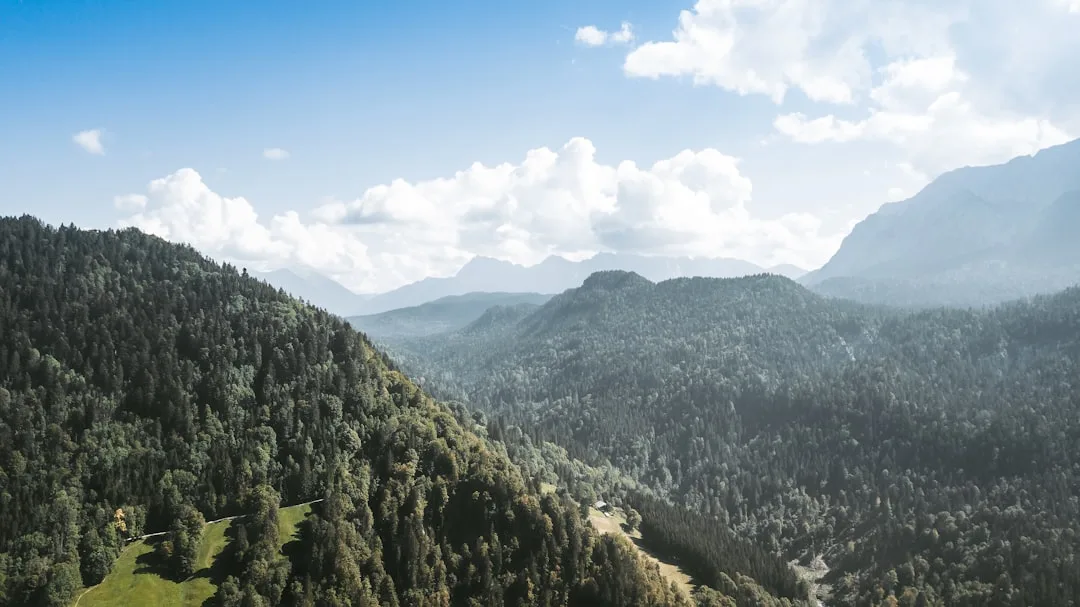
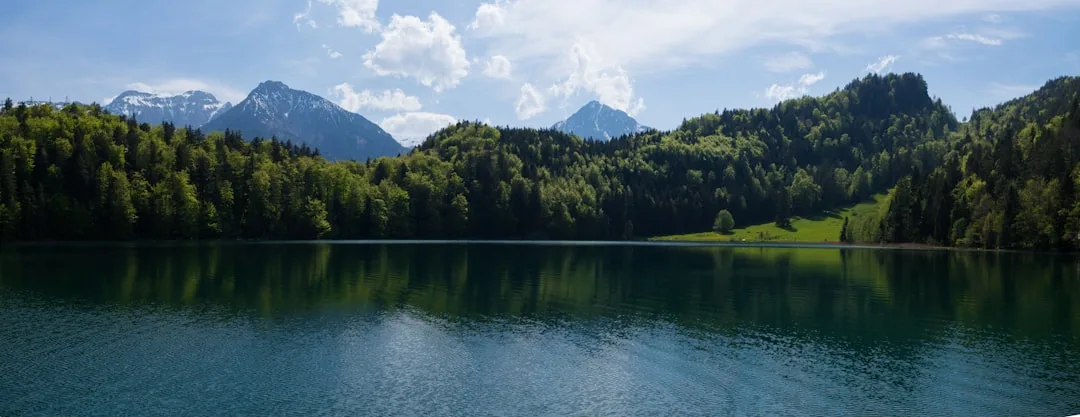
Bavaria offers glamping among some of the Alps' most iconic scenery: Lake Konigsee, with its emerald waters flanked by sheer rock walls; Garmisch-Partenkirchen, at the foot of the Zugspitze; and the Allgau region with its postcard-perfect meadows and villages. Bavarian glamping sites blend the tradition of the Almhutte (mountain hut) with contemporary design, delivering experiences that range from Alpine sunrises to visits to Ludwig II's fairy-tale castles.
Lakes and navigable waterways
Mecklenburg-Western Pomerania is home to central Europe's largest lake district, with more than 2,000 lakes interconnected by navigable canals. Lakeside glamping sites pair accommodation with kayaking, stand-up paddleboarding, fishing and licence-free boating. The Muritz, Germany's largest lake, and the Mecklenburg Lake Trail offer aquatic landscapes reminiscent of Scandinavia.
Craft beer and Biergarten culture
Germany has more than 1,500 breweries, many of them small artisan operations that brew according to the Reinheitsgebot (purity law of 1516). Biergarten -- open-air beer gardens -- are the perfect complement to glamping: long wooden tables beneath chestnut trees where you enjoy steins of Weissbier, Helles or Dunkel alongside Brezn (pretzels), Obatzda (cheese spread) and sausages grilled over charcoal.
Ancient forests and national parks
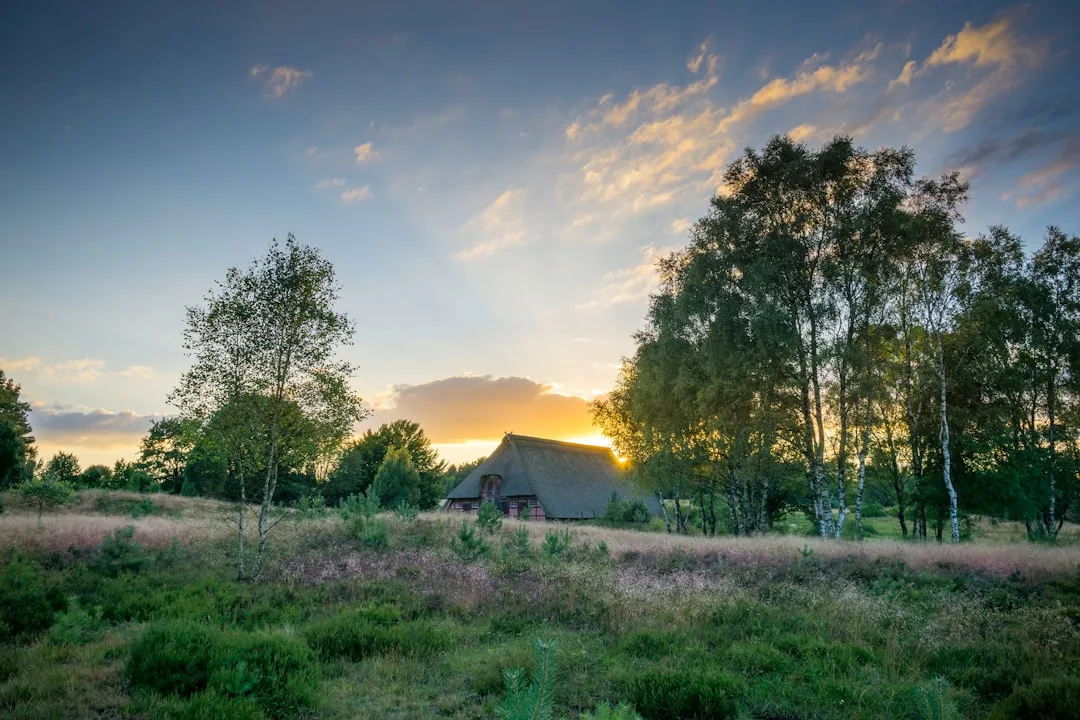
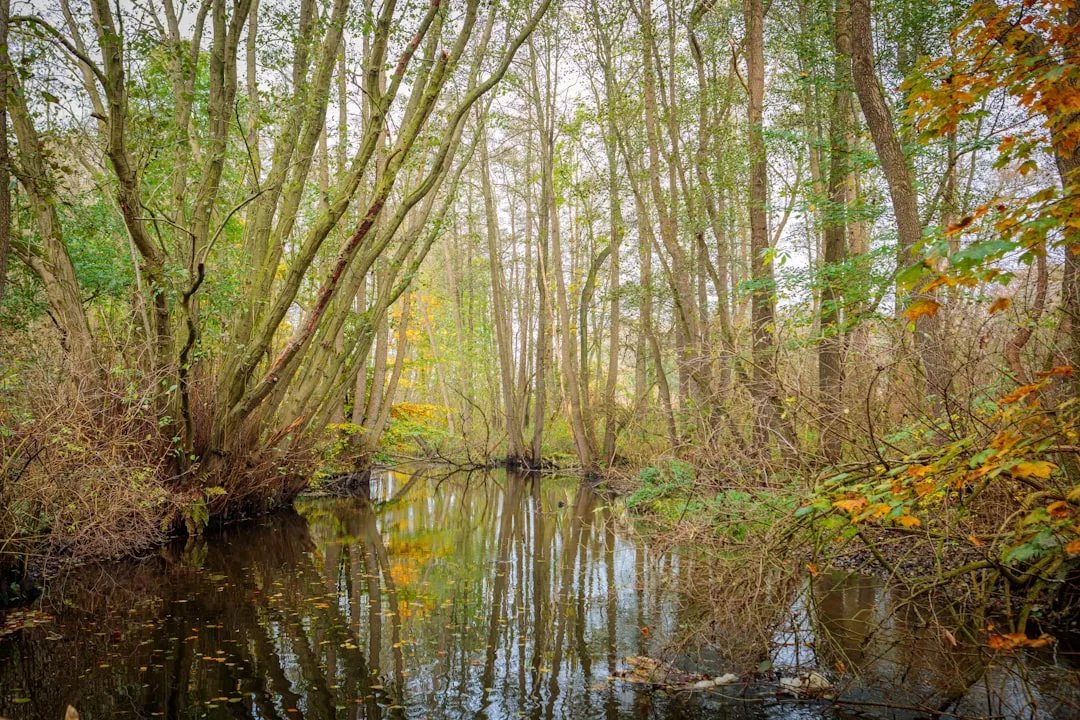
From the Black Forest to the Harz, Germany harbours woodlands that inspired the Brothers Grimm fairy tales. Saxon Switzerland National Park, with its spectacular rock formations, the Bavarian Forest (the largest continuous woodland in central Europe) and the Luneburger Heide, with its sweeping heathlands, offer waymarked trails linking glamping sites through scenery that could have been lifted from a storybook.
Regional cuisine and farmers' markets
Every German region has its own culinary identity, best discovered at local markets and farm-gate shops. Bavaria serves up Schweinshaxe (pork knuckle) and Knodel (bread dumplings); the northern coast specialises in herring and Fischbrotchen (fish rolls); the Black Forest contributes its famous cherry gateau. White asparagus in spring, wild mushrooms in autumn and Christmas markets in winter create a gastronomic calendar that gives reasons to go glamping in Germany at any time of year.
Germany is one of Europe's most dynamic glamping markets, with options ranging from designer alpine cabins in Bavaria to yurts beside the Baltic Sea in Schleswig-Holstein. The country combines flawless infrastructure with natural landscapes of extraordinary beauty.
Bavaria leads the way with over 80 glamping accommodations surrounded by mountains, alpine lakes and villages of traditional half-timbered architecture. Lower Saxony offers a more intimate alternative among the heathlands of the Luneburger Heide and the forests of the Harz. Mecklenburg-Western Pomerania, with its Baltic coast and more than 2,000 lakes, is the perfect destination for waterside glamping.
Schleswig-Holstein rounds out the offering with the Baltic coast and the Wadden Sea National Park, a UNESCO World Heritage Site. The diversity across these four regions makes it possible to plan trips that combine mountain, forest, lake and beach within a single German glamping holiday.