
Glamping Greece
Glamping Greece
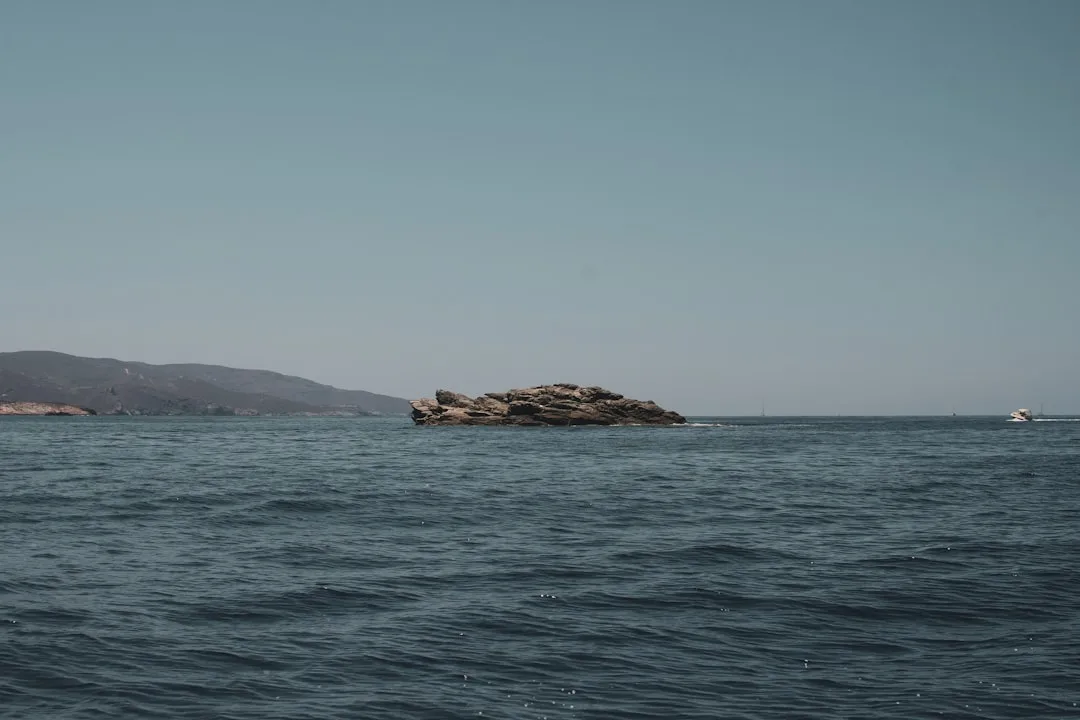
Greece is the destination where glamping meets mythology: impossibly blue waters, whitewashed villages perched on volcanic cliffs, temple ruins that witnessed the dawn of Western civilisation and a quality of light that has inspired artists for millennia.
The Greek islands concentrate the country's glamping offering across an archipelago that ranges from the sophistication of Santorini and Mykonos to the unspoilt charm of lesser-known islands like Naxos, Milos and the Ionians. Greek glamping stands out for its integration with the landscape: stone and timber structures that respect Cycladic architecture, luxury tents on terraces overlooking the Aegean, and eco-lodges among olive groves that have been producing oil since antiquity.
Aegean islands and island life
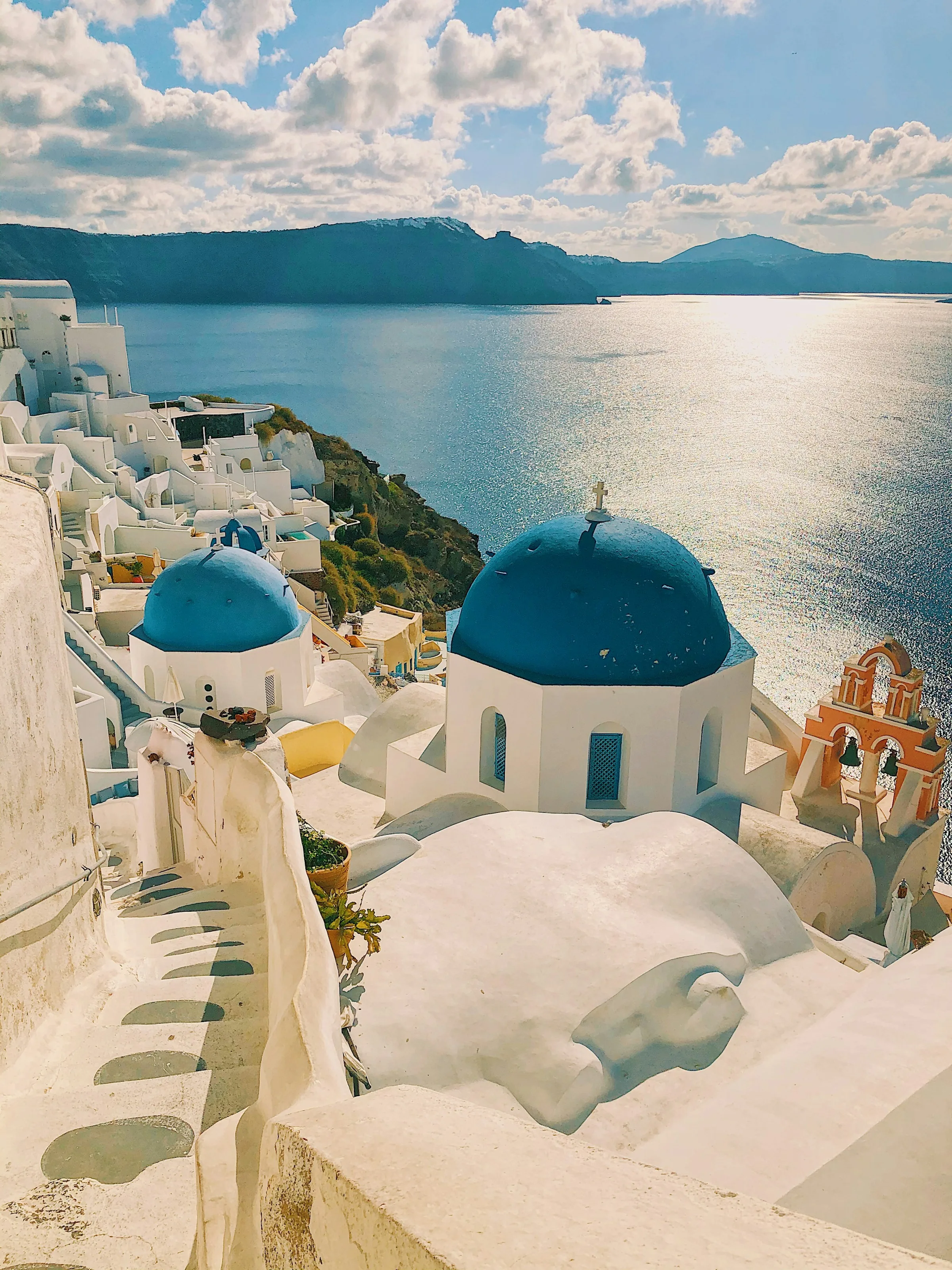
The Aegean is home to more than 200 inhabited islands, each with its own personality. The Cyclades offer glamping framed by iconic white-and-blue architecture; the Dodecanese, a blend of Ottoman and Crusader influences; the Northern Sporades, pine forests that tumble down to deserted beaches. Island life revolves around fishing harbours where boats unload the day's catch, tavernas with tables on the sand and sunsets that paint the domes in gold.
Ancestral Greek gastronomy
Greek cuisine is the purest expression of the Mediterranean diet, and every island has its specialities. Greek salad with PDO feta and sun-ripened tomatoes, moussaka, souvlaki, chargrilled fish with a squeeze of lemon, sun-dried octopus and yogurt with honey and walnuts make up a gastronomy enjoyed in family tavernas where the menu depends on the day's catch. Kalamata olive oil, Santorini wines made from the Assyrtiko grape and a glass of ouzo complete a table that is a celebration in itself.
Archaeology and ancient heritage
Greece is an open-air museum where every island conceals vestiges of civilisations that shaped the Western world. Delos, the sacred island of the Aegean; Knossos on Crete with its Minoan palace; the Acropolis of Lindos on Rhodes; and the ancient theatre of Epidaurus form a heritage discovered between glamping stays. The prospect of swimming in the same bay where Odysseus once anchored his ships turns Greek glamping into an experience where history and nature are inseparable.
Water sports and sailing
The Aegean and the Ionian rank among the finest seas in the world for sailing, windsurfing and snorkelling. Islands like Naxos and Paros are meccas for windsurfing and kitesurfing; the waters off Milos and Zakynthos offer snorkelling in sea caves of impossible colour; and island-hopping routes by sailboat reveal coves accessible only from the water. Coastal glamping sites often include kayaks and snorkelling gear as part of the package.
Sunsets and contemplation
Greek sunsets are a phenomenon in their own right, and Aegean glamping sites are designed to make the most of this daily spectacle. The caldera of Santorini, the cliffs of Amorgos, the bays of Corfu and the headlands of Crete provide vantage points where the sun dissolves into the sea in shades of gold, rose and violet that shift from one evening to the next. This contemplative dimension, combined with the unhurried island pace, makes Greek glamping an experience of profound disconnection.
Greece combines the magic of its islands with a growing glamping offering across the Greek Islands. The archipelago provides an incomparable setting: turquoise waters, Cycladic architecture, archaeological sites and a light that has fascinated artists of every era.
Glamping on the Greek islands means waking to views of the Aegean from luxury tents, designer eco-lodges or cabins embedded in the volcanic landscape of Santorini and Milos. Crete and the Ionian Islands offer greener options, set among olive groves and mountains draped in cypress.
Greek seasonality is worth considering: the ideal window runs from May to October, with September as the sweet spot combining pleasant temperatures, warm seas and thinner tourist crowds. The smaller islands offer more accessible prices and an authenticity that the major tourist islands have gradually lost.