
Glamping Poland
Glamping Poland
Poland is central Europe's great glamping discovery -- a country of preserved nature, accessible prices and a level of authenticity that more tourist-heavy destinations have gradually lost. The lakes of Masuria, the Baltic beaches, the Tatra Mountains and primeval forests compose a natural mosaic of surprising richness.
With over 260 glamping accommodations spread across four main regions, Poland offers experiences ranging from timber cabins beside forest-ringed lakes (where the only sound is birdsong) to eco-lodges at the foot of the Tatras with views of alpine summits. The value for money is exceptional, enabling longer, more relaxed stays than in Western European destinations.
Masurian lakes and waterside nature
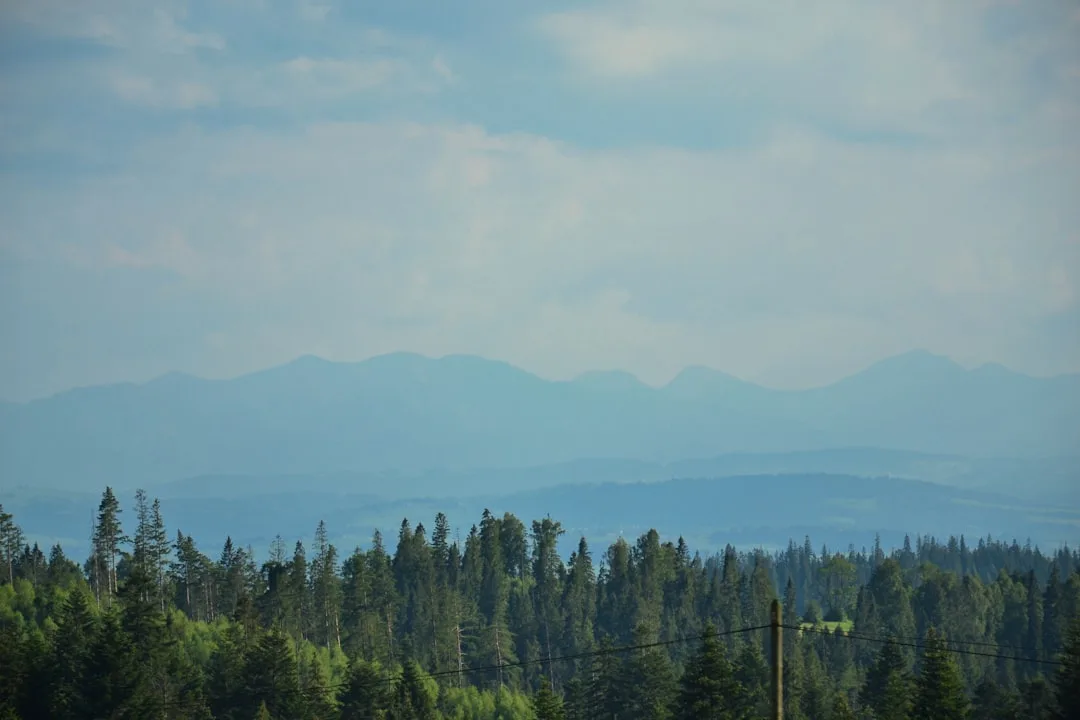
Masuria, known as the 'Land of a Thousand Lakes' (though it actually has more than 2,000), is a paradise for waterside glamping. The lakes are interconnected by canals and rivers that support multi-day kayak and sailing trips. The Great Masurian Lake Trail links the largest lakes in a 100-kilometre navigable route. Glamping beside these lakes means waking to morning mist on the water, catching pike-perch and dining on freshly caught fish as the sun sets behind a birch forest.
Tatra Mountains and alpine trekking
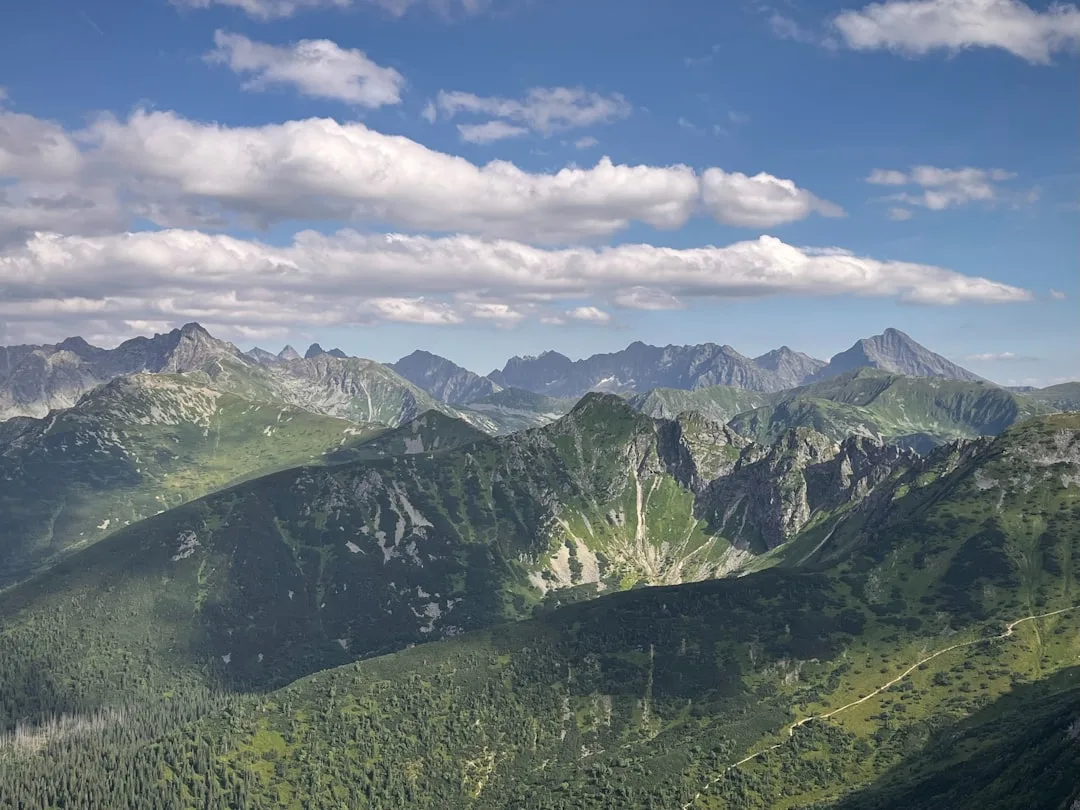
The Polish Tatras are the highest peaks in the Carpathians, with summits surpassing 2,400 metres and a spectacular alpine landscape of glacial lakes, deep valleys and high-mountain meadows. Zakopane, the 'winter capital of Poland', serves as the base for exploring the Tatras from mountain glamping sites. The trail to Morskie Oko (Eye of the Sea), one of Europe's most beautiful mountain lakes, and ridge walks along the Western Tatras are first-class trekking experiences.
Pierogi and Polish gastronomy
Polish cuisine is generous, comforting and surprisingly varied. Pierogi (dumplings filled with potato and cheese, meat, cabbage or fruit), zurek (fermented rye soup served in a bread bowl), bigos (hunter's stew of sauerkraut and meats) and oscypek (smoked sheep's cheese from the Tatras served with cranberries) are dishes that define a peasant-rooted gastronomy elevated to gourmet status. Polish glamping sites typically serve breakfasts of sourdough bread, artisan cured meats, local cheeses and homemade preserves.
Primeval forests and wildlife
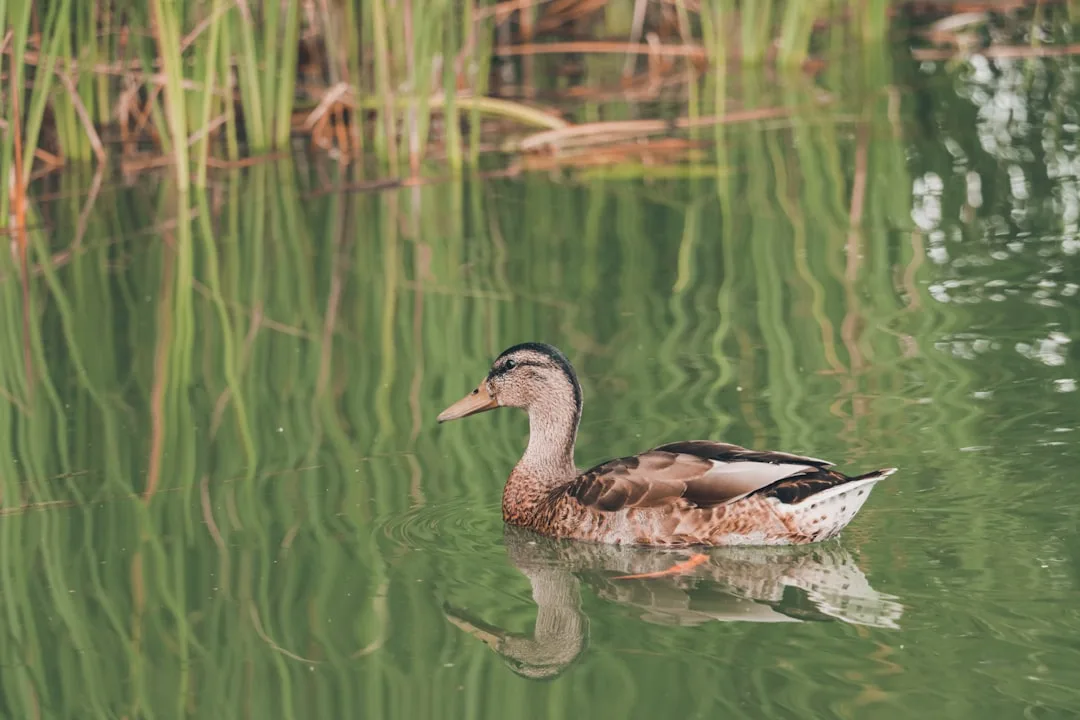
Poland is home to some of Europe's last virgin forests, including Bialowieza (a UNESCO World Heritage Site), the habitat of the last wild European bison. The forests of Masuria and Pomerania, with their ancient oaks, monumental beeches and fauna that includes wolves, lynx, eagles and black storks, offer glampers an immersion in a natural world that has vanished from much of the continent. Many glamping operators organise guided dawn wildlife-watching excursions.
Baltic coast and sand dunes
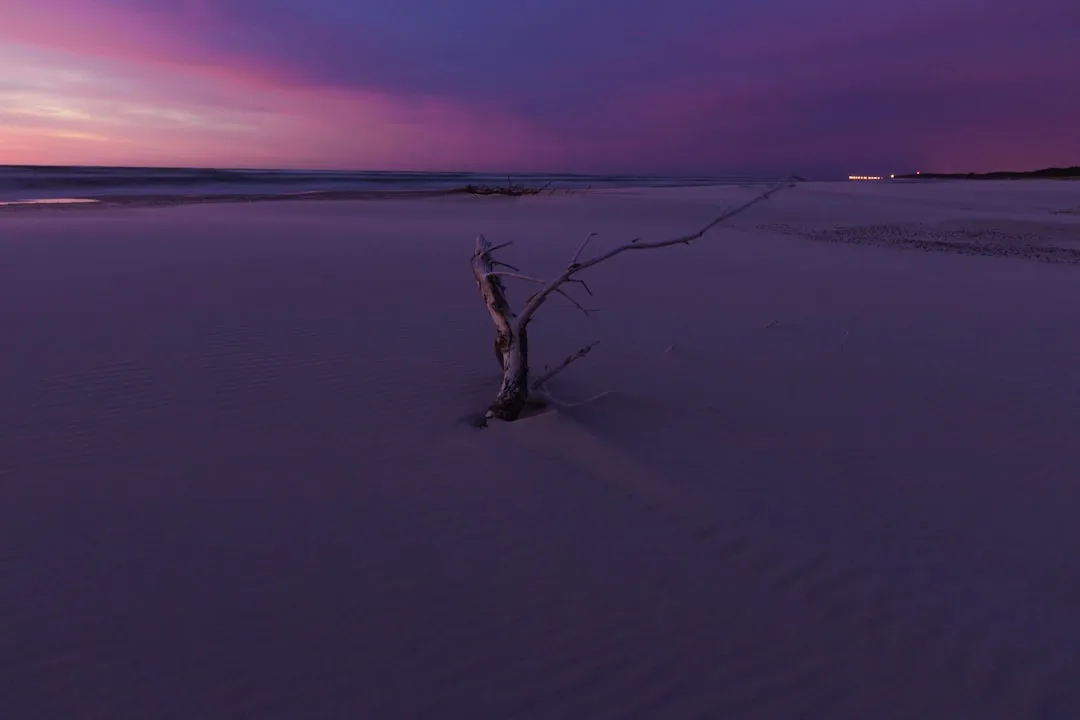
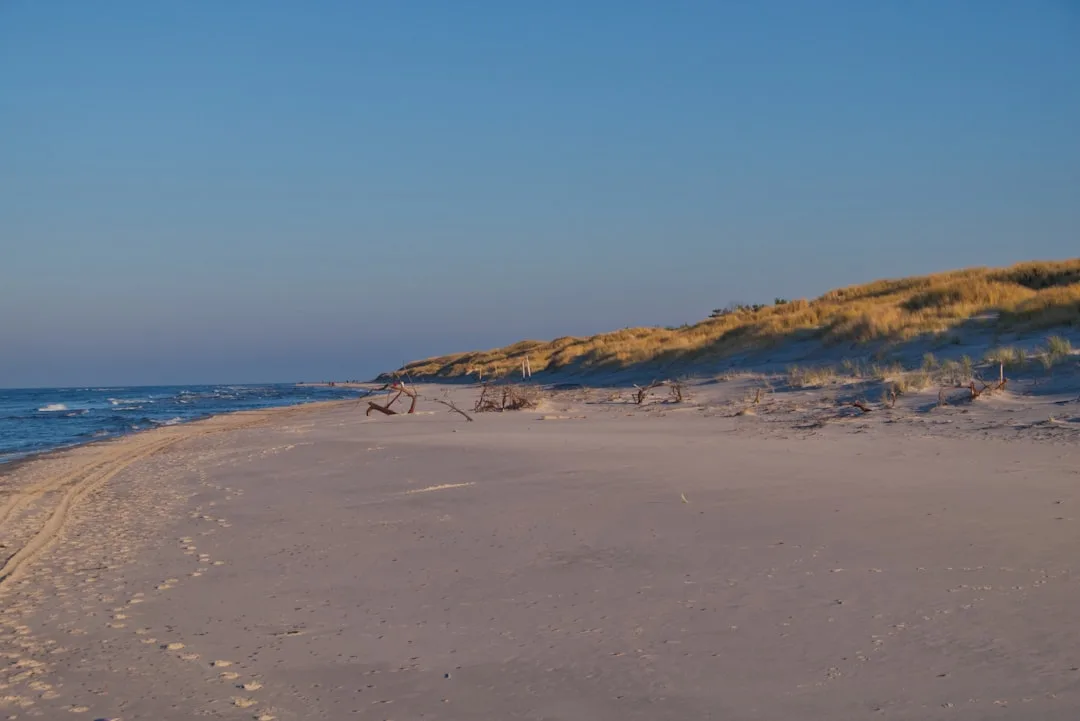
The Polish Baltic coast stretches for more than 500 kilometres of white-sand beaches backed by pine forests. The Hel Peninsula, a 34-kilometre-long spit separating Puck Bay from the Baltic, is one of the most singular coastal enclaves in Europe. The shifting dunes of Slowinski National Park, a UNESCO biosphere reserve, reach 42 metres in height and advance several metres each year. Glamping along the Baltic coast combines beach, forest and a marine gastronomy centred on herring, smoked salmon and Baltic amber.
Poland is an emerging glamping destination offering exceptional value for money in a setting of great natural wealth. Its four main glamping regions span from the Baltic coast to the southern mountains, taking in the famous Masurian Lake District along the way.
Malopolskie (Lesser Poland), with the Tatras and the Krakow area, delivers mountain glamping with access to national parks and villages of traditional wooden architecture. Pomorskie (Pomerania) pairs Baltic beaches with pine forests. Warmia-Masuria is the lake-filled paradise with more than 2,000 bodies of water.
Zachodnio-Pomorskie (West Pomerania) completes the picture with coastal lakes and access to Wolin Island, a national park of cliffs and wild beaches. Steadily improving infrastructure and a growing quality food scene are turning Poland into one of Europe's fastest-growing glamping destinations.