
Glamping Portugal
Glamping Portugal
Portugal concentrates one of southern Europe's most attractive glamping propositions in the Algarve: golden cliffs plunging into the Atlantic, secret coves accessible only on foot, a climate that delivers more than 300 days of sunshine a year and an Atlantic gastronomy that pairs simple ingredients with the mastery of a centuries-old fishing tradition.
Glamping in the Algarve lets you enjoy this exceptional coastline without the crowds of the resort strip: eco-lodges integrated into the cliffs, luxury tents among orange and almond trees, cabins overlooking the Ria Formosa and tiny houses on rural estates in the interior offer alternatives for every type of traveller.
Algarve cliffs and sea caves
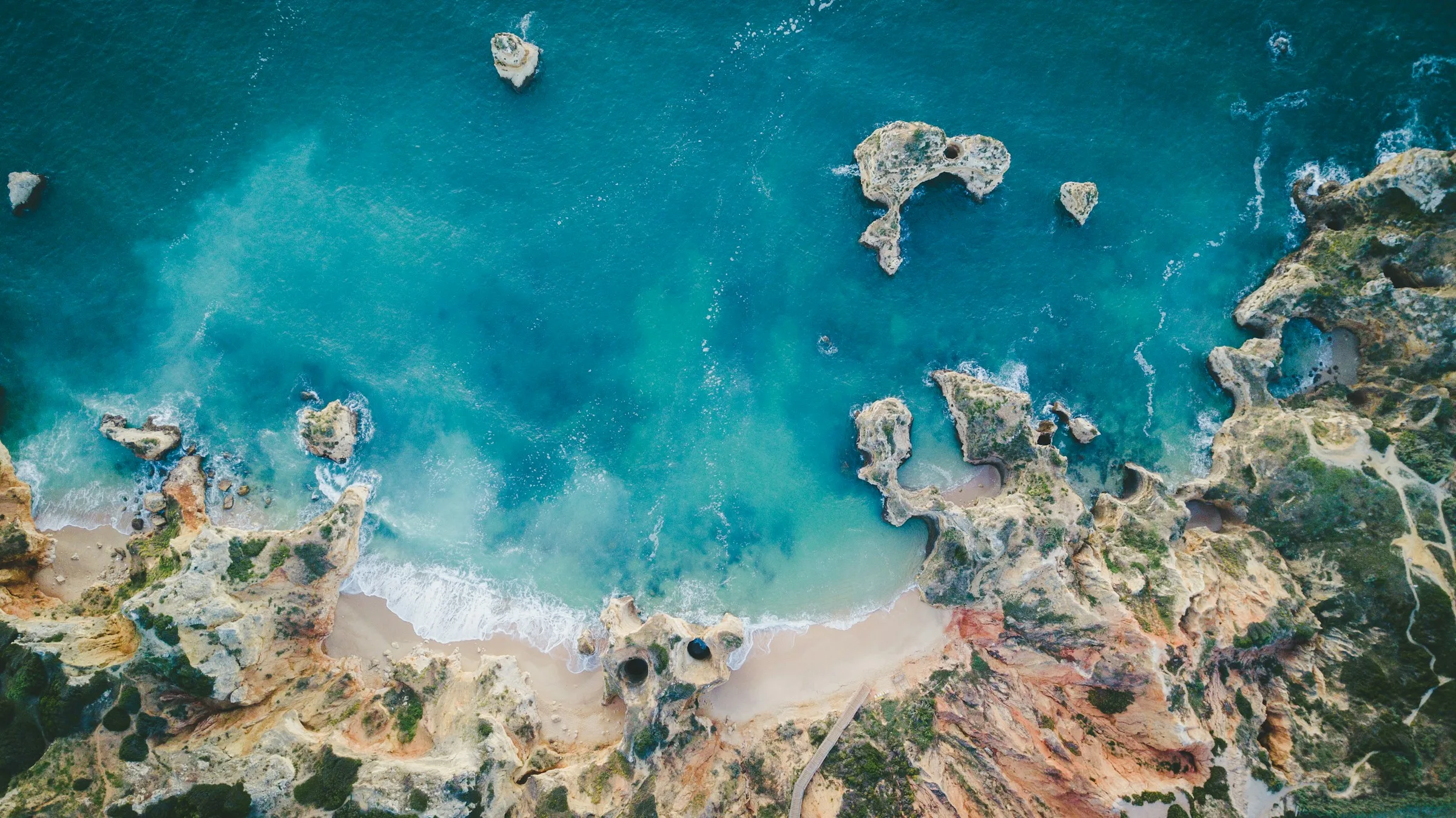
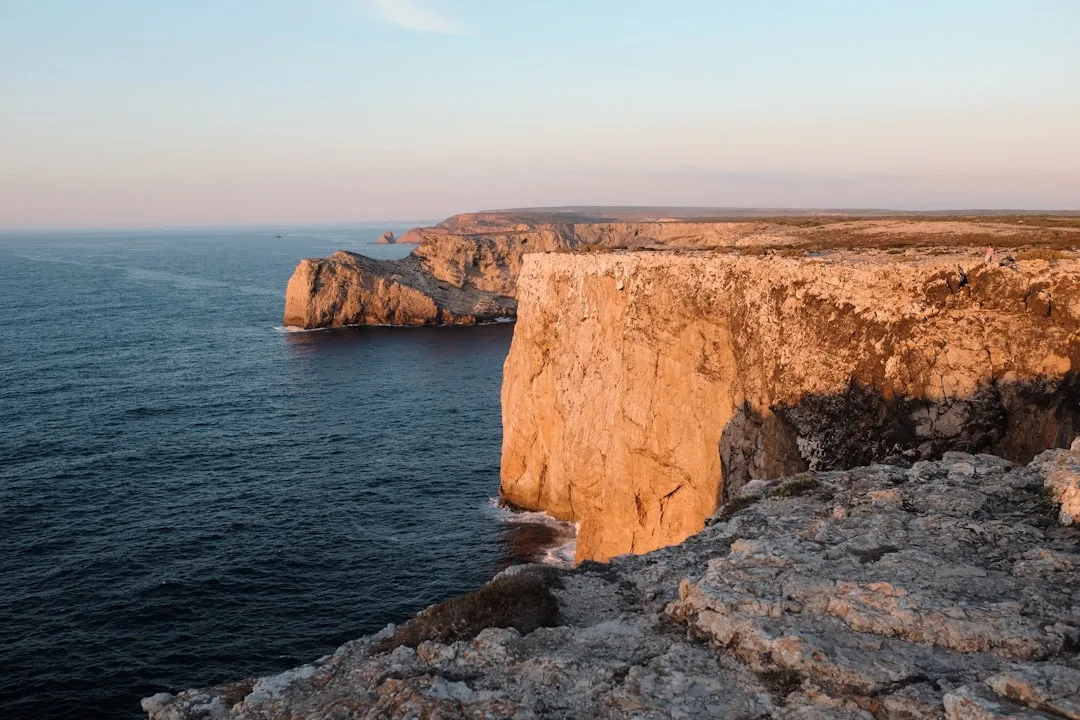
The Algarve's cliffs are one of Europe's most spectacular coastal formations. Ponta da Piedade, near Lagos, presents a labyrinth of golden rock arches, grottoes and pillars best explored by boat. The Benagil cave, accessible only from the sea, shelters an inland beach lit by a natural skylight that has become one of the Algarve's defining images. Glamping nearby lets you arrive by kayak at dawn, well before the tourist boats set out.
Atlantic gastronomy and seafood
Algarve cuisine is a tribute to the Atlantic: cataplana (a copper-pot stew of clams, prawns and fish), sardines chargrilled over coals, percebes (goose barnacles prised from the cliffs), monkfish rice and the ubiquitous bacalhau prepared in 365 different ways. Pasteis de nata, dom rodrigo (an almond and egg sweetmeat) and carob and medronho liqueurs complete a gastronomy best enjoyed in tasquinhas (little tavernas) overlooking the fishing harbour.
Surfing and water sports
The Algarve offers outstanding conditions for surfing and water sports. The west coast (Costa Vicentina) receives powerful Atlantic swells that draw surfers from around the world to beaches like Arrifana, Amado and Carrapateira. The more sheltered south coast is ideal for stand-up paddleboarding, sea kayaking and snorkelling in transparent waters. Many glamping sites offer surf lessons and equipment hire, strategically positioned between the west coast (waves) and the south coast (calm seas).
Ria Formosa and birdwatching
The Ria Formosa is an 18,000-hectare natural park of lagoons, salt marshes, salt pans and barrier islands that supports one of Europe's most important bird communities. Flamingos, spoonbills, black-winged stilts and terns fish in shallow waters that glitter under the Algarve sun. Glamping beside the Ria Formosa means waking to birdsong and exploring by boat or kayak an ecosystem that is also the country's main production area for oysters and clams.
Alentejo wines and wine tourism
Less than an hour from the Algarve stretches the Alentejo, Portugal's largest wine region, with landscapes of vineyards, olive groves and cork-oak groves that produce the majority of the world's cork. Alentejo wines, made from grapes such as Touriga Nacional, Aragonez and Antao Vaz, are tasted at wineries that blend contemporary architecture with centuries-old winemaking traditions. Estates like Esporao, Jose de Sousa and Adega Mayor welcome visitors arriving from Algarve glamping sites for full-day wine-tourism excursions.
The Portuguese Algarve is a glamping destination that combines spectacular coastal formations with more than 300 days of sunshine a year. The region offers a variety of outdoor accommodations ranging from eco-lodges built into the cliffside to luxury tents set among orange and almond groves.
The Algarve coast divides into the barlavento (west), with its iconic Ponta da Piedade cliffs and Benagil cave, and the sotavento (east), with lagoons, salt pans and the tranquillity of the Ria Formosa. Both areas offer quality glamping with access to beaches that rank among the best in Europe.
The Algarve interior, less well known, provides glamping among orange, almond and carob trees on a landscape of gentle hills where whitewashed villages maintain an unhurried pace of life. The Via Algarviana, a 300-kilometre trail crossing the region's hinterland, links many of these rural glamping sites and offers an alternative to coastal stays.