
Glamping Romania
Glamping Romania
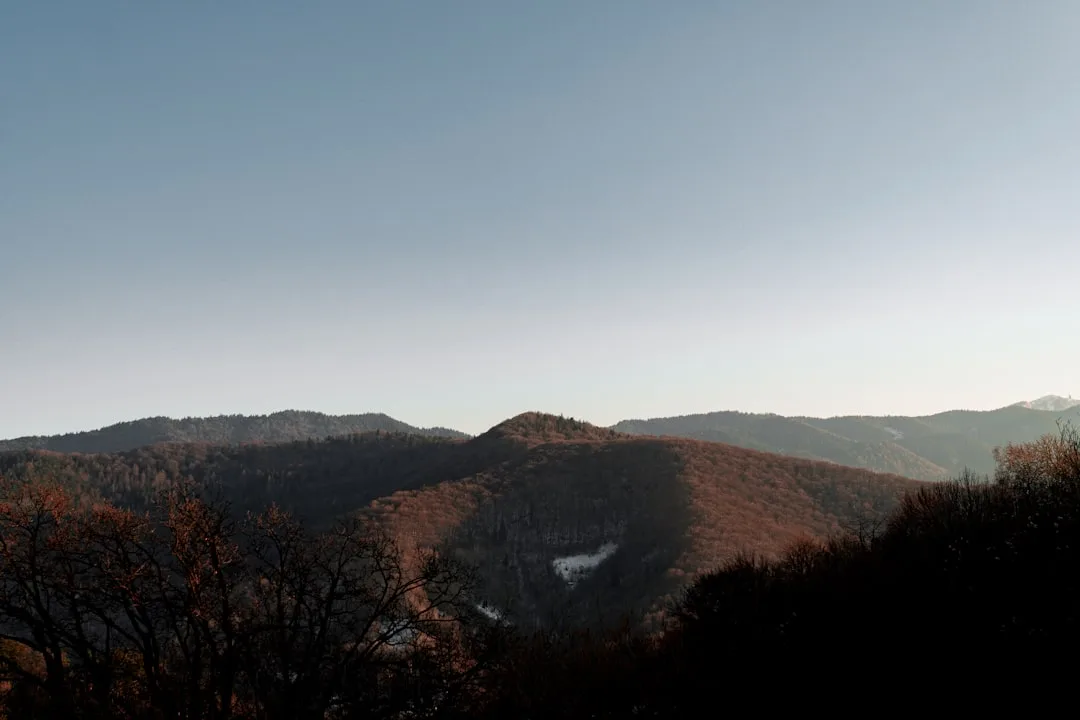
Transylvania is one of European glamping's best-kept secrets -- a region where the Carpathians guard the continent's most extensive virgin forests, fortified Saxon villages that seem frozen in the fourteenth century, and a rural way of life that preserves traditions the rest of Europe forgot generations ago.
Glamping in Transylvania delivers a level of authenticity increasingly hard to find: waking to the sound of cowbells, watching the shepherd drive his flock uphill at dawn, sharing a dinner of sarmale and mamaliga with the local family and, with luck, spotting brown bears at dusk from the safety of a mountain cabin. All of this unfolds against a backdrop of forested hills, valleys threaded by crystal-clear rivers and medieval towns whose charm remains intact.
Carpathians and wildlife
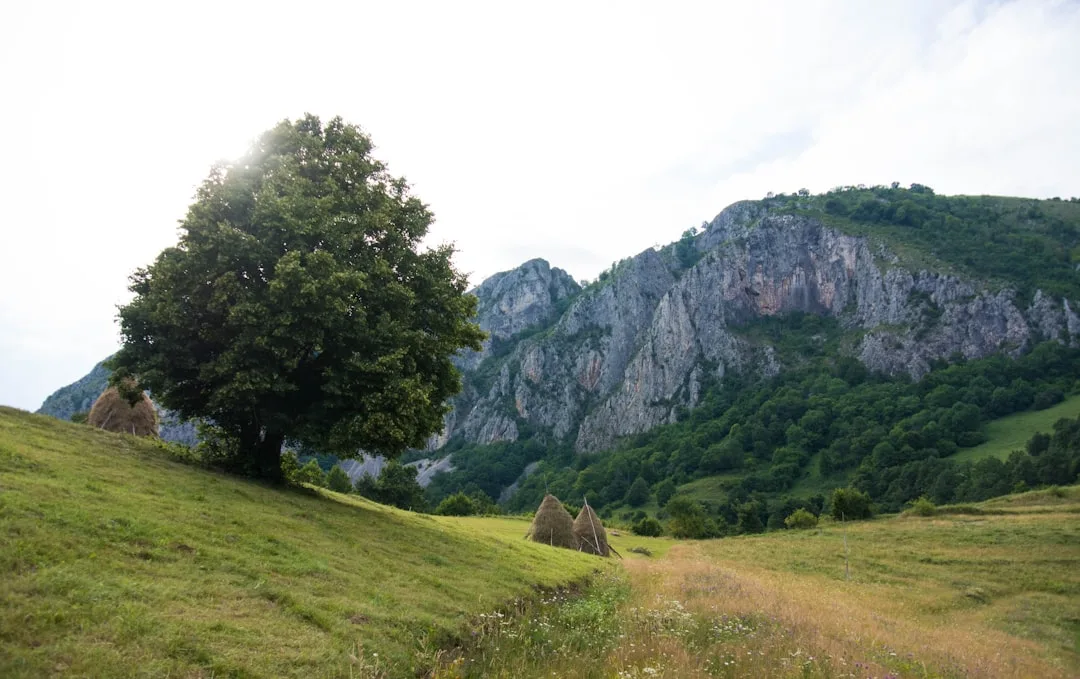
The Romanian Carpathians support Europe's largest population of large carnivores: more than 6,000 brown bears, 3,000 wolves and 1,500 lynx inhabit forests that stretch unbroken for hundreds of kilometres. Mountain glamping sites in areas such as Piatra Craiului, Fagaras and the surroundings of Brasov offer guided bear-watching excursions at dusk from hides (observation posts) -- an experience that transforms the visitor's understanding of European nature.
Saxon villages and fortified churches
The Saxon villages of Transylvania, founded by German settlers in the twelfth century, preserve more than 150 fortified churches, seven of them UNESCO World Heritage Sites. Viscri (the favourite village of King Charles III), Biertan with its cathedral-fortress and Prejmer with the largest fortified church in south-eastern Europe are architectural gems surrounded by pastoral landscapes where time seems to have stood still. Glamping in these villages offers accommodation in restored Saxon houses that respect the original architecture.
Transylvanian gastronomy and culinary traditions
Transylvanian cooking is robust, generous and deeply tied to the land. Sarmale (cabbage rolls stuffed with meat and rice), mamaliga (Romanian polenta served with sheep's cheese and sour cream), bulz (mamaliga filled with cheese and grilled), tart sour soups like ciorba and wild-berry pastries form a cuisine prepared with ingredients from the kitchen garden, the forest and the shepherd. Tuica (plum brandy distilled in home-built stills) and wine from the Tarnave hills accompany every meal.
Virgin forests and hiking
Romania conserves half of all the virgin forests remaining in Europe outside Russia, and many of them lie in the Transylvanian Carpathians. These forests of beech, fir and centuries-old oak shelter ecosystems that have disappeared from the rest of the continent. Hiking through valleys such as Zarnesti, the Bicaz Gorge and the Piatra Craiului massif delivers the experience of walking through genuinely wild nature, with the real possibility of finding bear tracks in the mud on the trail.
Living rural traditions
Transylvania is one of the last places in Europe where rural life follows the rhythm of the seasons in an organic way. In the villages, horse-drawn carts are still a mode of transport, shepherds take their flocks to the high pastures each spring, family gardens produce the bulk of daily food and village festivals celebrate harvests and patron saints with music, dancing and communal feasts. Glamping in Transylvanian villages lets you take part in this rural life: milking cows, making cheese, gathering hay and sharing the table with families who maintain these traditions with pride.
Transylvania is one of Europe's most authentic and surprising glamping destinations. The Romanian Carpathians harbour the most extensive virgin forests on the European mainland, home to brown bears, wolves and lynx in a natural setting without parallel.
The region offers glamping in environments ranging from Carpathian mountain cabins to accommodation on traditional farms in Saxon villages, many of them UNESCO-listed. Cities such as Sighisoara, Brasov and Sibiu serve as bases for exploring a region where rural life preserves centuries-old customs.
Romania offers exceptional value for glamping, with prices significantly lower than Western Europe for a natural and cultural experience of the first order. Improving roads and the opening of new regional airports are making Transylvania increasingly accessible to European glampers.